Transform Your Footfall Strategy with Hard-Working Oil Finishes
Busy premises ask a lot of their floors. Every trolley roll, heel strike and weather-blown grain of grit adds up to a steady assault on appearance, hygiene and safety. If your retail unit, hotel, office or school is showing early signs of scuffing, dulling or patchy sheen, you’re not imagining it—abrasion is relentless. The good news? Done right, Commercial Oiling turns everyday wear into a controlled, easily maintained patina instead of a slow-motion disaster.
This guide unpacks the strategy, science and step-by-step method behind professional oil treatments in commercial spaces. You’ll learn where oil shines (and where it doesn’t), how to shorten downtime while improving durability, what maintenance actually looks like in the real world, and how to avoid the costly pitfalls that trip up even well-intentioned facility teams. By the end, you’ll have a clear roadmap to reclaim resilient beauty under heavy footfall—without constant re-finishing cycles.
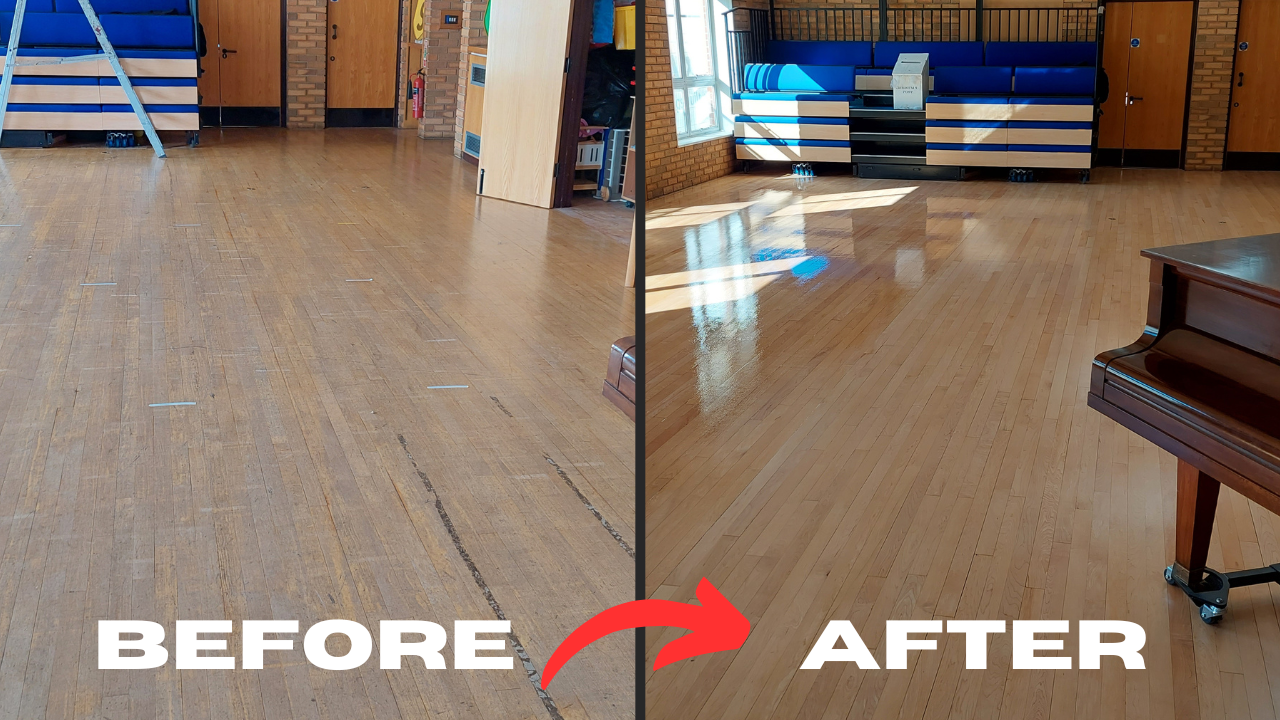
Why Oil at All? The Real-World Advantages in High-Traffic Spaces
When you’re responsible for hard-working floors, you need a finish that is:
- Repairable in situ – Small scuffs and traffic lanes can be blended and refreshed without stripping the entire area.
- Low-gloss friendly – Controlled sheen hides micro-scratches better than mirror-gloss lacquers.
- Breathable – Penetrating oils allow vapour exchange, reducing the risk of trapped moisture in timber substrates.
- Non-yellowing and natural looking – Modern oils enhance grain without the plasticised look some film finishes can create.
- Slip-resistant – Correctly specified systems can be finished to sensible slip ratings for public spaces.
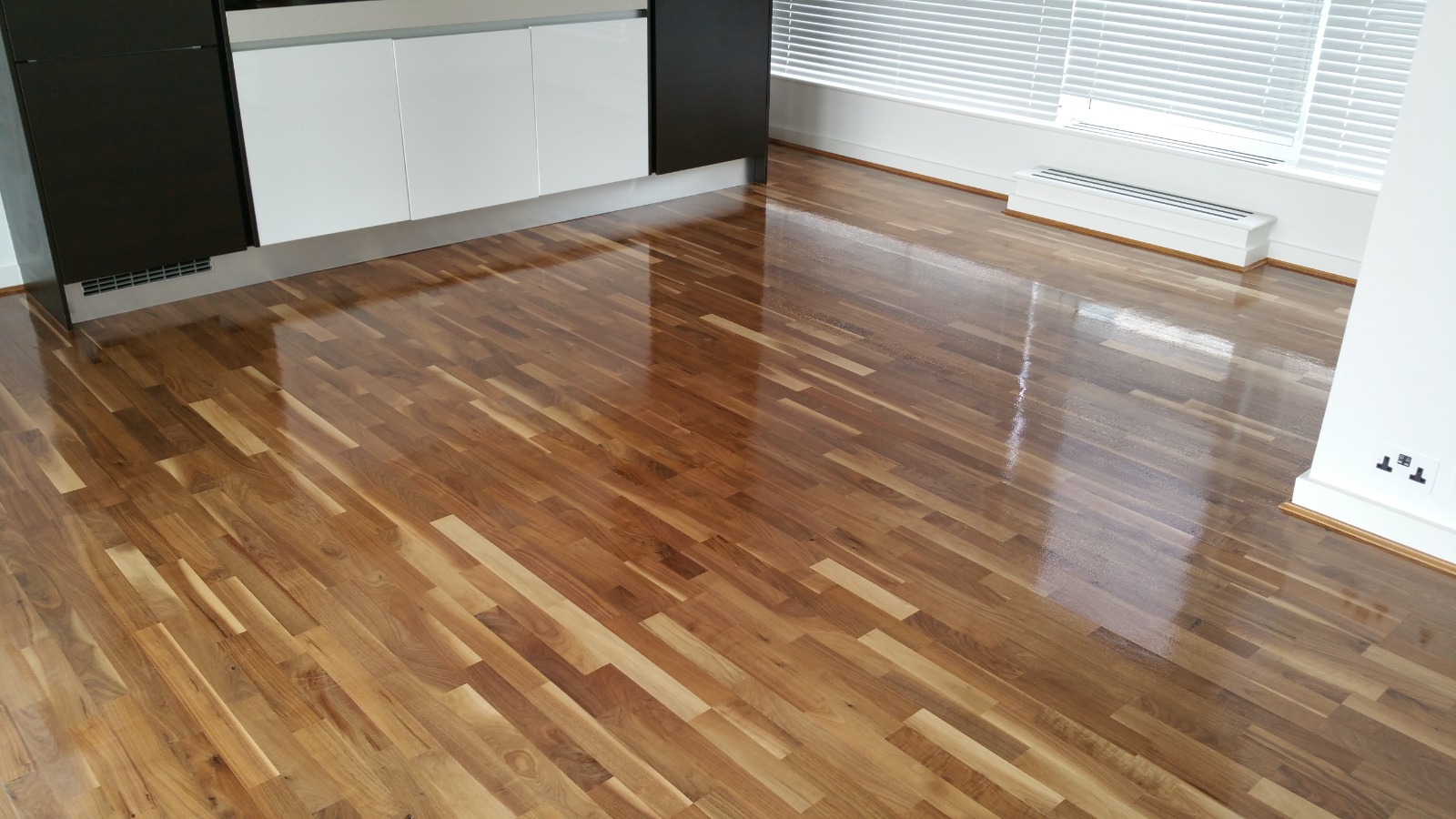
In short, oil systems don’t simply sit on the wood—they work with it, hardening within the fibres to build resilience. Combine that with targeted maintenance and you get floors that look professional, feel safe, and stand up to relentless use.
When Oil Might Not Be the Right Choice
There are scenarios where an alternative approach (or a hybrid oil/wax/urethane system) may be smarter:
- Wet zones with routine standing water (certain kitchens, pool surrounds)
- Severe chemical exposure (some laboratories)
- Ultra-high gloss branding requirements where a mirror finish is non-negotiable
A professional survey will weigh these factors before recommending a system.
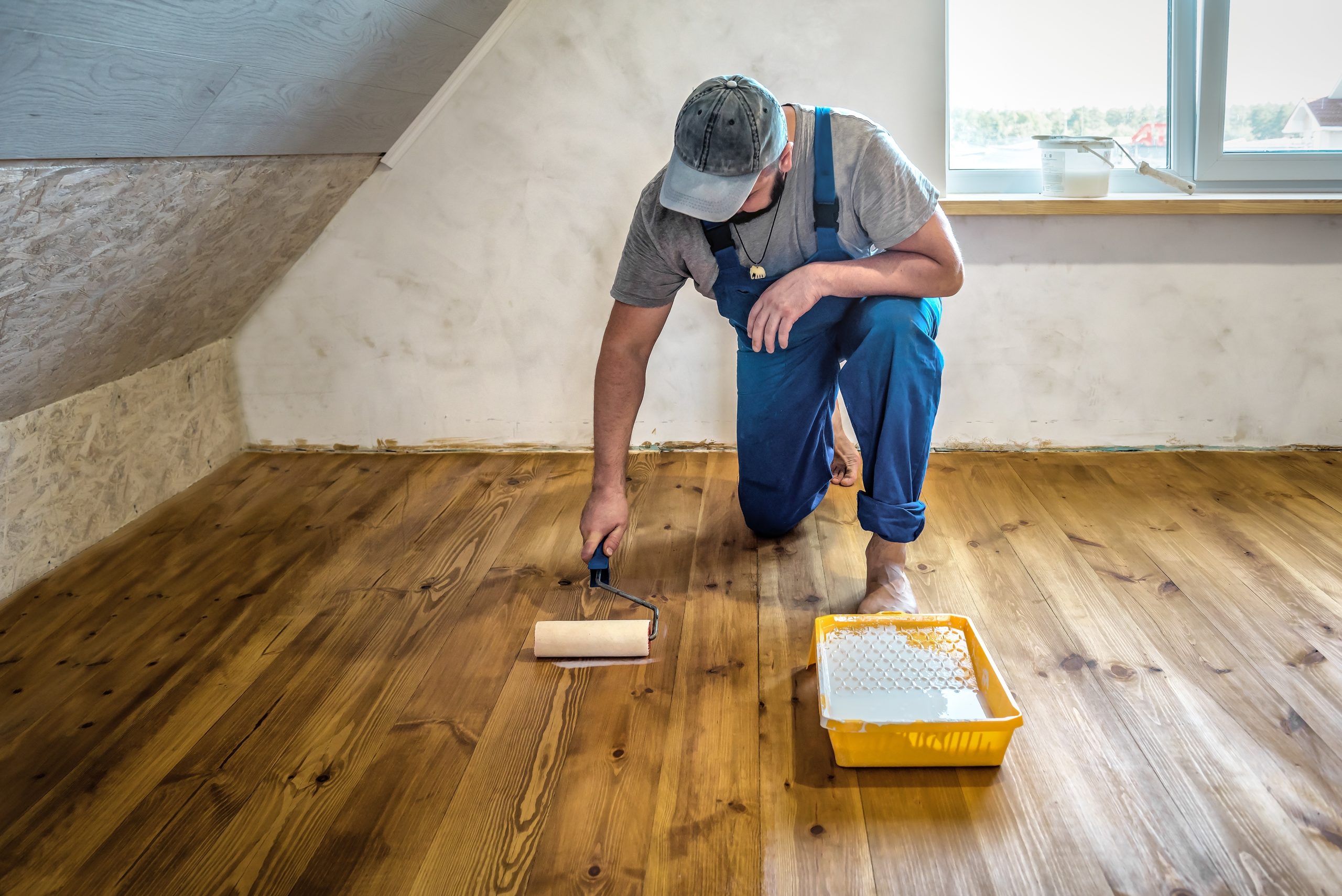
The Odyssey: A Field-Tested 7-Stage Method That Tames Abrasion
A successful oiling project isn’t just about the liquid in the tin. It’s a process—tight, sequenced, and quality-controlled.
1) Site Survey, Risk & Logistics
- Map footfall flows, entrances, pivot points and “pause zones” (tills, lifts, reception).
- Identify wood species, previous coatings, repairs needed, and substrate moisture.
- Plan access, ventilation, signage, and phased works to keep trading disruption minimal.
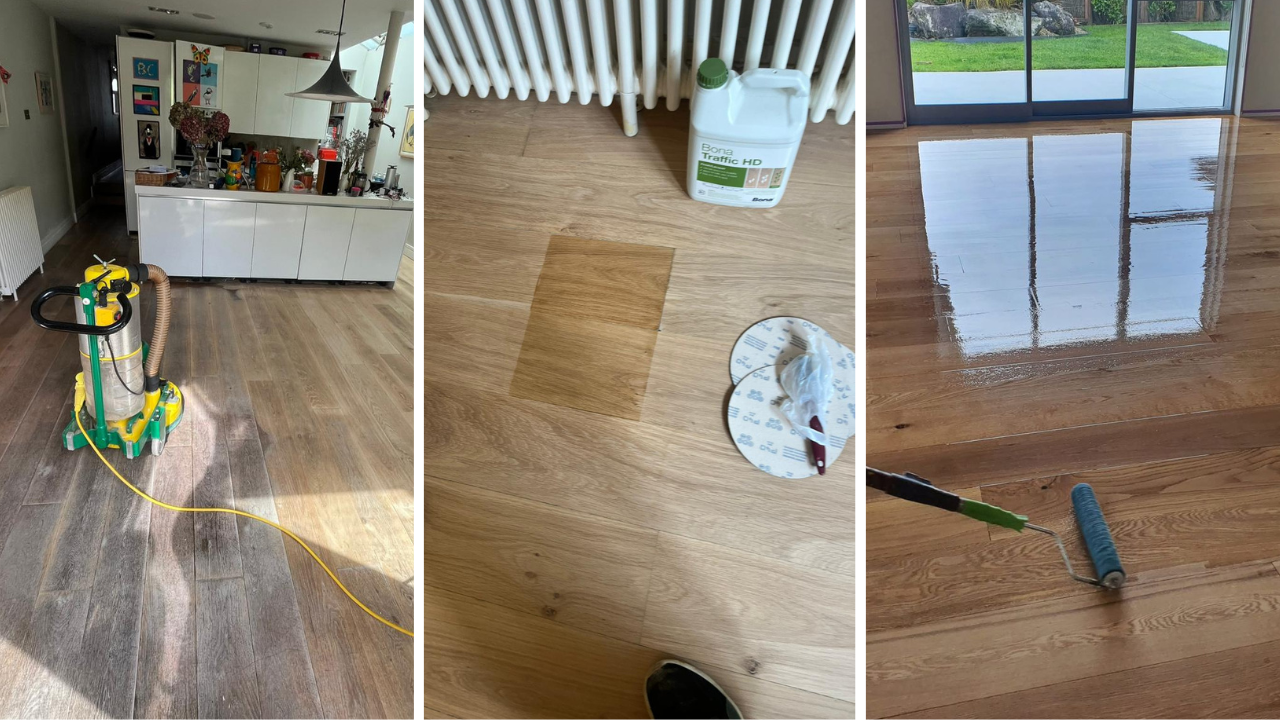
2) Deep Clean & Mechanical Prep
- Remove contaminants (detergent residues, silicone, adhesive ghosts).
- De-gum with targeted solvents where needed.
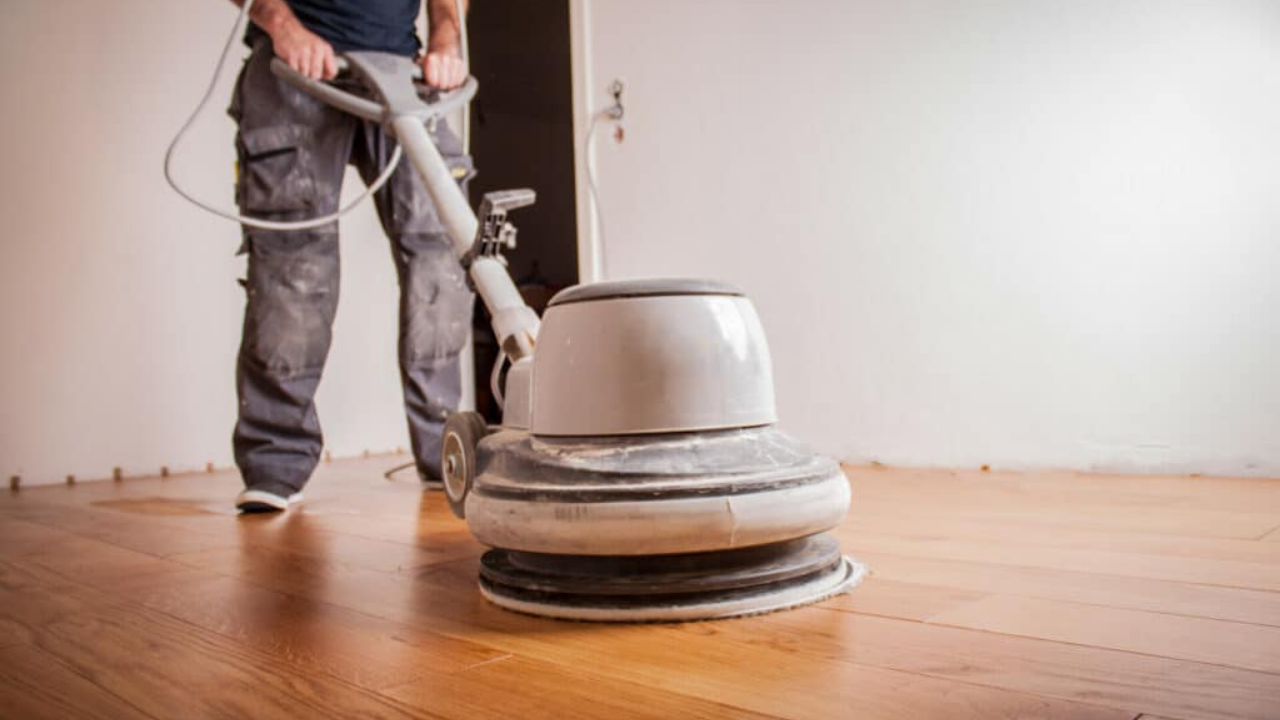
- Light to full sanding depending on condition—objective is a stable, keyed surface.
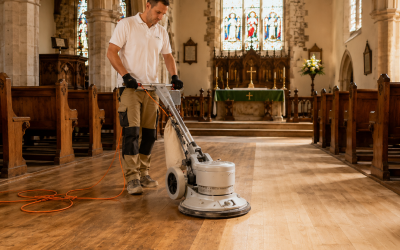
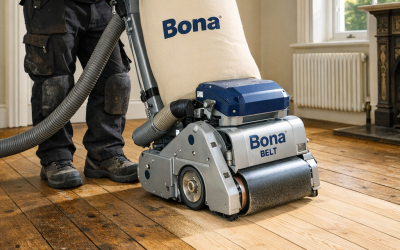
3) Precision Sanding Sequence
- Progressive grit schedule to remove damage without washing out character.
- Edge detail, corners, thresholds and under-fixture cut-ins handled with care.
- Vacuum extraction between passes to keep pores open for oil uptake.
4) Dust Control & Tack
- Industrial extraction and a final tack cloth pass to ensure a pristine surface.
- Mask adjacent finishes; stage dust-safe zones for curing.
5) Test Panels & Sheen Target
- Create small, representative patches: clear vs. tinted oil, different sheens.
- Drying checks, colour approval and slip sample as needed for stakeholder sign-off.
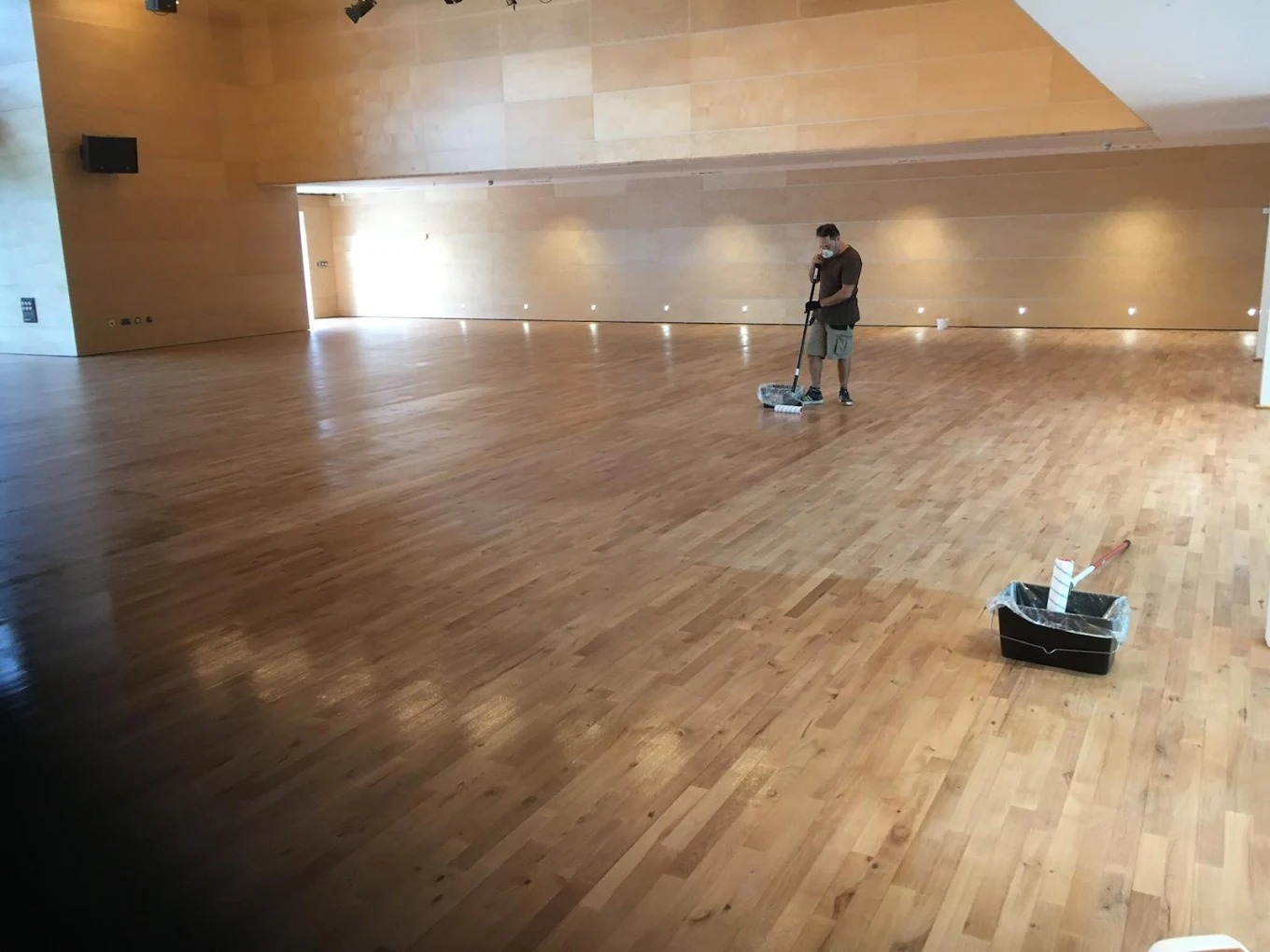
6) First-Coat Application
- Even spread via trowel/roller, then worked in with pads to drive oil into the grain.
- Timed “wet” period before removing surplus to avoid shiny patches and cure issues.
- Edge work feathered into fields to avoid picture-framing.
7) Cure, Power-Buff & Optional Second Coat
- Respect cure windows; light traffic only until specified.
- Power-buff to unify sheen and build micro-resistance.
- Apply a second coat where duty cycle demands it and time allows.
Executed this way, Commercial Oiling doesn’t just look good on day one; it sets you up for predictable, low-drama upkeep for years.
Picking the Right Oil System for Your Venue
Different environments stress floors in different ways. Selection matters.
Retail & Supermarkets
- Stress profile: Trolley wheels, sand at entrances, constant turning at tills.
- Spec tips: Hard-wearing clear or lightly tinted oil to mute lane marking; robust entrance matting; slip-conscious final buff.
Hospitality (Hotels, Bars, Restaurants)
- Stress profile: Spills, heels, chair drag, day-night cycles.
- Spec tips: Stain-resistant oils with good repairability; chair glide programme; zoned maintenance plan (front of house vs corridors).
Offices & Co-Working
- Stress profile: Chair castors, coffee, contractors.
- Spec tips: Low-sheen oils; castor-rated mats; scheduled buffs in circulation routes.
Education & Public Buildings
- Stress profile: Spikes of high density, scooters, muddy shoes.
- Spec tips: Durable clear oils; robust cleaning regimes; quarterly close-downs for spot re-oiling.
Choosing well—and validating with on-site test areas—turns Commercial Oiling from a generic treatment into a targeted performance upgrade tuned to your building.
The Science of Wear: Why Floors Fail (and How to Fight Back)
Abrasive wear mostly comes from micro-particles underfoot. Grit acts like free sandpaper, cutting microscopic grooves. Add pivot points (where people turn) and you get patterned lanes of dullness.
Counter-measures:
- Matting that actually works: Deep-pile, well-sized entrance mats capture debris before it reaches timber.
- Grit discipline: The right daily dry routine collects particulates before they scratch.
- Sheen strategy: Lower, uniform sheen masks micro-marring better than gloss.
- Targeted refreshes: Small, frequent blends are kinder than occasional heroics.
Maintenance That Pays for Itself
Oil-finished commercial floors reward light, frequent care. Think minutes per day—not hours per week.
Daily
- Dry remove first: Vacuum with a soft parquet head or high-quality microfibre dust-mop.
- Spot damp only: When needed, use manufacturer-approved cleaner at the correct dilution—never “a bit extra for luck”.
Weekly
- Routine wash: Auto-scrubber with gentle pads or a microfibre system; keep moisture controlled.
- Eyes open: Note early lane dulling and blend-refresh promptly.
Monthly/Quarterly
- Buff & top-up: Depending on load, power-buff with maintenance oil/soap to restore slip and sheen.
- Entrance audit: Replace tired mats; check chair glides and castor mats.
With the right rhythm, Commercial Oiling turns maintenance from a firefight into a predictable, budget-friendly routine that preserves appearance and safety.
Health, Safety & Compliance Essentials
- Slip resistance: Agree targets based on use; ensure the final system and maintenance products support them.
- Cure windows & signage: Re-open in phases; protect paths with clear diversion plans.
- Air quality: Choose modern low-odour, low-VOC systems; ventilate during cure.
- COSHH & RAMS: Keep data sheets on hand; brief staff and contractors.
- Out-of-hours planning: Night work or phased zones keeps the public away while finishes set.
Case Snapshots: What Success Looks Like
1) Busy High-Street Fashion Store
- Pain: Grey lanes from door to tills; weekly mopping made it worse.
- Fix: Entrance mat upgrade, targeted repair sanding, clear oil system, quarterly buff plan.
- Result: 60% reduction in visible lane contrast after six months; no full re-finish needed.
- Takeaway: Strategic Commercial Oiling plus matting beat constant cosmetic mopping.
2) Boutique Hotel Lobby
- Pain: Chair drag scuffs and spills near the bar.
- Fix: Tinted oil to even tone; glide programme; staff spill protocol.
- Result: Uniform appearance and fewer guest complaints; quick blends handled visible marks between deep cleans.
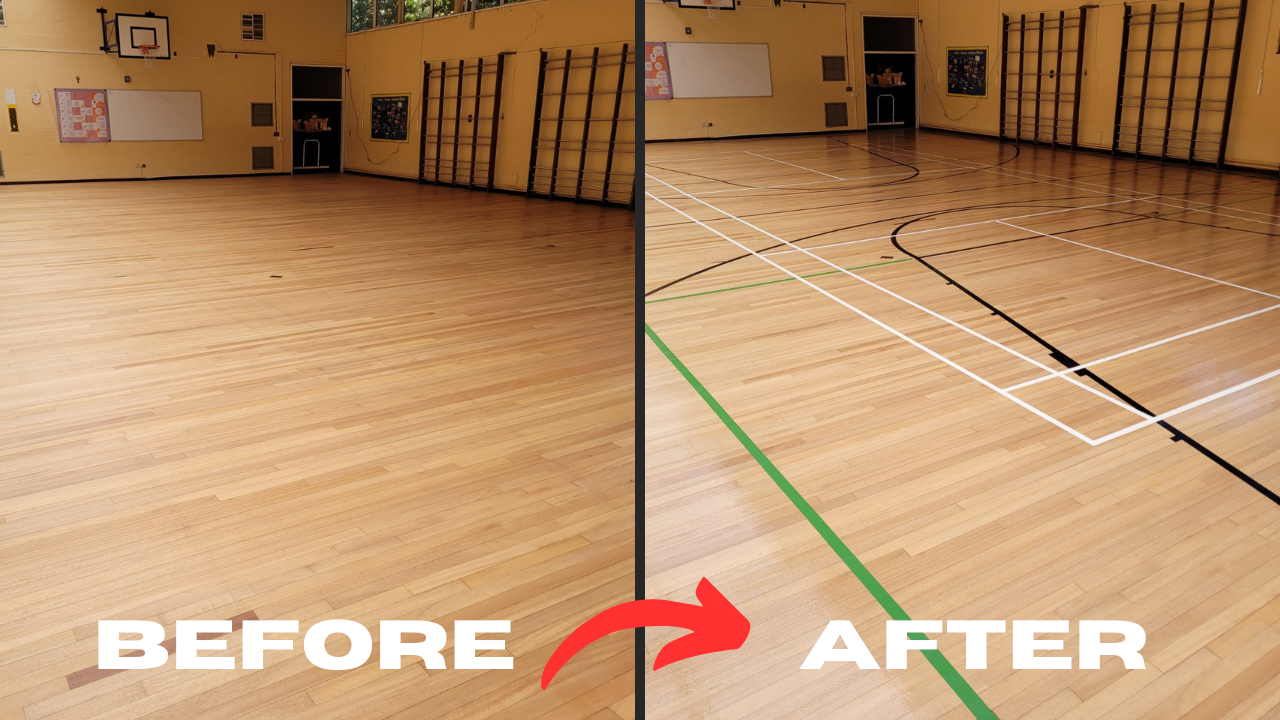
3) Primary School Hall
- Pain: Abrasive dust after playtimes; dull patches where assemblies gather.
- Fix: Clear oil, robust matting, caretaker brief, holiday top-ups.
- Result: Safer feel underfoot and a consistent low sheen despite hard use.
Cost, Downtime & Programme Planning
- Survey & sampling: Low effort, high value—prevents surprise colour or slip outcomes.
- Phasing: Work overnight or zone by zone to keep trading; cordon and cure logically.
- Speed cures: Some modern oils allow cautious light traffic sooner; plan realistic timelines.
- Budgeting: Oil systems are often less expensive to own over 3–5 years because refreshes are surgical, not wholesale.
Mistakes That Quietly Destroy Results
- Over-wet cleaning: Water drives into joints and dislodges oil; stick to damp, not wet.
- Wrong detergents: Harsh chemistry strips protective soaps, accelerating dulling.
- Skipping test areas: On-site samples are non-negotiable for colour and slip.
- No matting strategy: Even the best finish can’t out-perform a sand-covered foyer.
- Re-open too soon: Premature traffic imprints and ghosts the finish.
- “One-and-done” mindset: Floors are systems—surface, maintenance and behaviour. Keep them in sync for the long haul with planned Commercial Oiling.
Sustainability & Aesthetics: The Bonus Benefits
Oil systems are sympathetic to timber’s natural look, letting grain and figure show through rather than encasing it in a plastic film. Many modern formulations are lower in VOCs than older generations, and the whole approach—light, local refreshes rather than full-scale strip-outs—reduces waste and keeps embodied carbon locked in the floor you already own. It’s a greener way to stay on brand visually while doing right by the planet (and your maintenance budget).
Frequently Asked Questions
How long before we can walk on it?
That depends on the product and site conditions. Typically, light sock traffic is possible the same day; careful, limited footfall may be allowed after initial cure, with full resilience a bit later. Your plan should stage reopenings to suit.
Will oil darken our wood?
Clear oils enrich tone slightly; tinted oils can even out colour or create a design effect. Approve samples on your actual floor under real lighting before go-ahead.
Is it slippery?
Not when the right system is specified and maintained. Oil, sheen level, and aftercare products all play a part in keeping sensible slip resistance.
How often will we need top-ups?
Frequency tracks with footfall. The goal is little and often: quick blends in lanes before you notice dulling, with more thorough refreshes on a planned cycle.
Can we switch from an old lacquer to oil?
Usually, yes—but only after a proper mechanical strip and prep. A survey will confirm feasibility and process.
A Practical, No-Drama Plan You Can Put in Motion
Here’s a straightforward way to move from “tired and scuffed” to “confident and consistent”:
- Book a survey. Map stresses, confirm wood species, discuss brand look and slip needs.
- Approve test patches. Nail colour, sheen and feel under your own lighting.
- Schedule phased works. Choose overnight/quiet periods; agree cure and reopen timings.
- Train cleaning teams. Set dilution, tools and rhythms; stop over-wetting day one.
- Lock in a refresh cadence. Short, planned buffs and blends prevent big-ticket overhauls.
When you follow this path, Commercial Oiling stops being “another job on the list” and becomes a calm, repeatable system that protects your brand experience at floor level.
Your Next Step (and a Friendly Nudge)
If abrasions are already winding you up, you’re right to feel the urgency. Every week of gritty traffic is another thousand tiny scratches. The sooner you switch from reactive firefighting to a strategic oil system, the faster your floor—and your peace of mind—recovers.
Want a clear, costed plan for your site? Arrange a quick survey and sample patch session. Approve the look, schedule the work, and step back onto a surface that feels resilient, looks quietly immaculate, and stands up to the day-to-day reality of your space. Smart, swift and sustainable—exactly what a high-performing premises deserves.