Key Takeaways
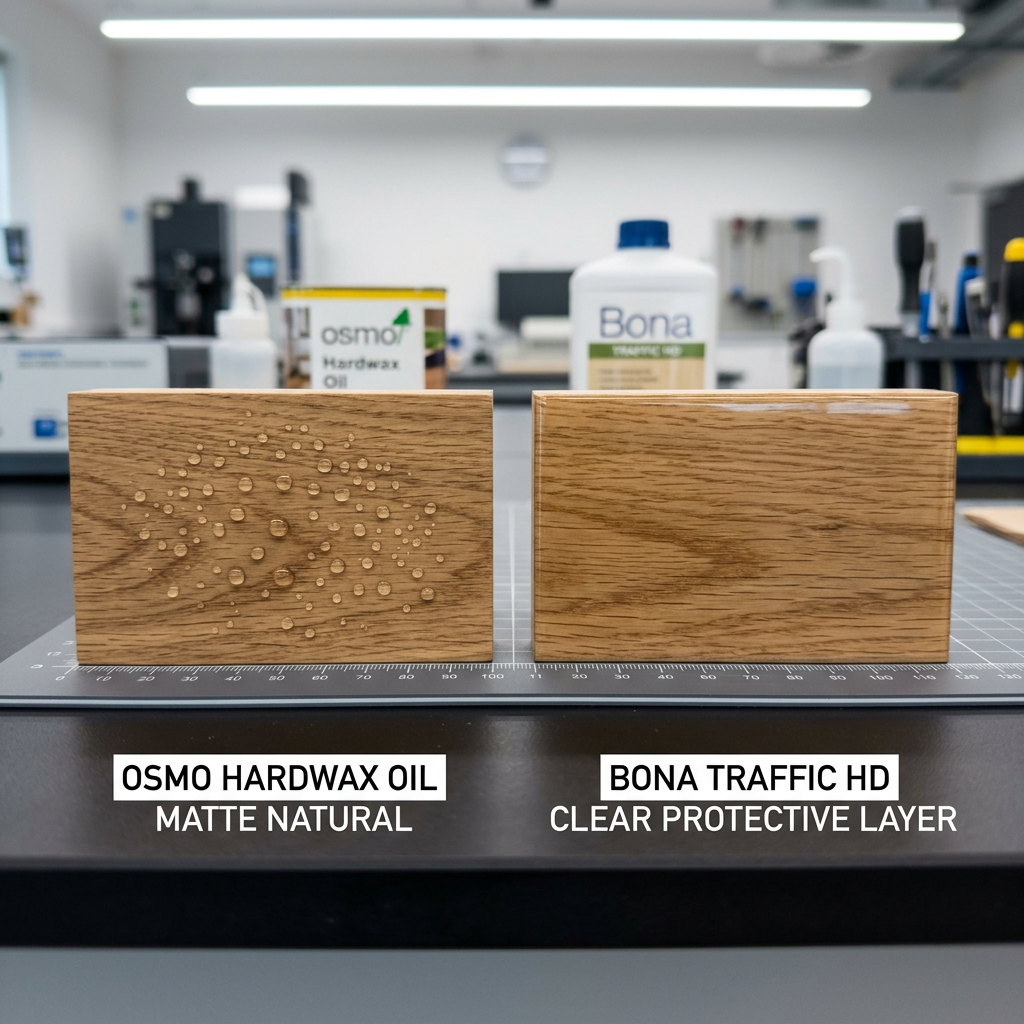
- Chemical Protection: Lacquers like Bona Traffic HD provide a physical shield, while Osmo Hardwax Oil penetrates the wood grain.
- Maintenance Load: Oils require regular refreshing but allow for spot repairs; lacquers are low-maintenance but require a full re-sand if damaged.
- Aesthetic Choice: Osmo delivers a natural, matte patina; Bona offers various sheens from ultra-matte to high-gloss.
- UK Humidity: Hardwax oils are more breathable, making them suitable for properties with higher ambient moisture content.
After the heavy-duty machinery has left and the dust has settled, the most critical decision for any homeowner in Kent or Sussex remains: the finish. You have invested time and money into a professional floor sanding service, and the raw timber is now exposed in its natural beauty. But without the right protection, that beauty is fleeting. In the world of high-end wood restoration, the debate often boils down to two industry titans: Bona (the masters of lacquer) and Osmo (the kings of hardwax oil).

The Problem: The ‘Finish’ Confusion
Many homeowners make the mistake of choosing a finish based purely on a small sample swatch in a showroom. However, the reality of a British household—complete with muddy paws, spilt red wine, and the abrasive grit of a coastal breeze—is far more demanding. Choosing the wrong finish can lead to a floor that looks ‘plastic-y,’ one that scratches too easily, or one that becomes a maintenance nightmare requiring you to move all your furniture every six months.
The ‘Problem’ is twofold: if you choose a finish that is too weak, the timber will grey and stain. If you choose one that is too ‘heavy,’ you lose the tactile connection to the natural timber that made you want a wood floor in the first place. This decision is further complicated by the UK’s fluctuating humidity levels, which cause timber to expand and contract, potentially cracking inflexible finishes.
Agitation: The Hidden Costs of Poor Aftercare
Imagine this: you spend £3,000 on a full restoration, only to find that within two years, the traffic lanes in your kitchen have turned dull and grey. Because you chose a standard polyurethane varnish, you cannot simply ‘patch’ these areas. To fix the wear, you have to sand the entire room back to bare wood and start again. This is the agitation of the ‘All-or-Nothing’ finish.
Conversely, imagine choosing a natural oil but failing to understand the maintenance schedule. Without the correct pH-neutral soaps and maintenance waxes, the oil is stripped away by standard supermarket cleaners, leaving the wood vulnerable to ‘water popping’ and deep stains. The cost of ignorance in floor aftercare is paid in early re-sands and lost property value.
The Solution: A Technical Breakdown of Bona vs. Osmo
To make the right choice, we need to look at the ‘Information Gain’ from years of professional application in diverse environments.
1. Bona Traffic HD: The Ultimate Shield
Bona Traffic HD is a water-borne, 2-component lacquer. It is essentially a layer of liquid armour. It sits on top of the wood, creating a physical barrier that moisture and dirt cannot penetrate.
- Best for: Kitchens, commercial units, and households with large, active dogs.
- Durability: Unmatched. It is the most scratch-resistant finish on the market.
- Aesthetics: Available in an ‘Ultra Matte’ finish that mimics the look of raw wood while providing maximum protection.
- Pro-Tip: Always ensure your tradesman uses a T-bar applicator for large areas to avoid ‘lap marks’ or ‘pooling’ in the finish.
2. Osmo Polyx-Oil: The Living Finish
Osmo is a hardwax oil based on natural vegetable oils and waxes. Unlike lacquer, it penetrates deep into the grain, bonding with the timber. It doesn’t create a ‘film,’ so you can still feel the texture of the grain under your feet.
- Best for: Bedrooms, period properties, and homeowners who appreciate a natural patina.
- Repairability: High. You can sand a small scratch and re-apply a drop of oil, and it will blend perfectly.
- Breathability: Excellent. It allows the moisture content of the timber to fluctuate naturally with the seasons.
- Curing: Requires oxygen to cure. In UK humidity, ensure you have windows open during the first 24 hours to prevent a ‘sticky’ finish.
The Science of Aftercare: Professional Buffing
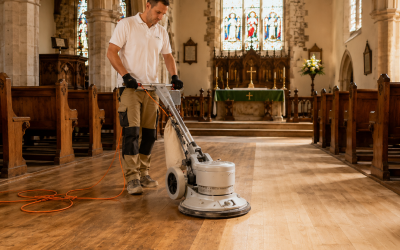
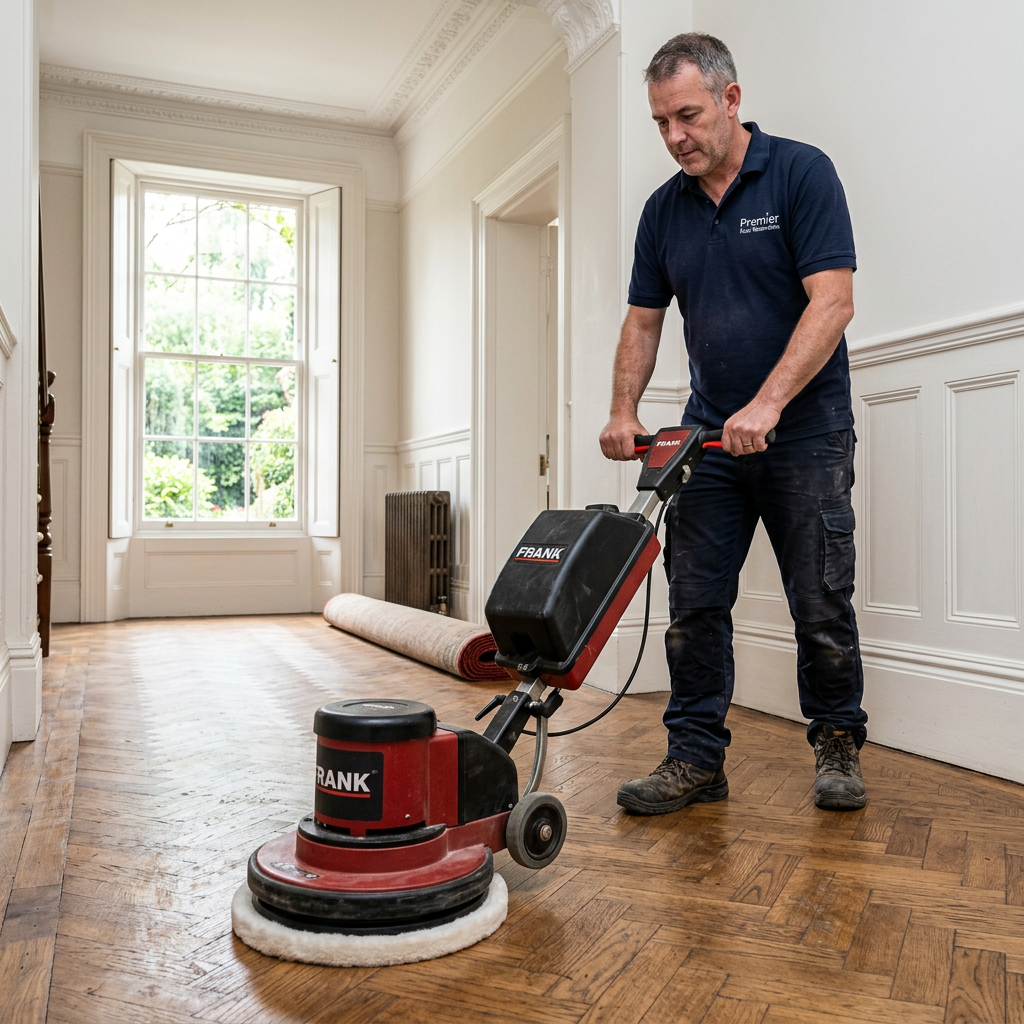
Regardless of your choice, maintenance is non-negotiable. For oiled floors, a ‘Pro-Tip’ is to use a Frank Spider or similar rotary machine with a white pad every 12–18 months. This process, known as a ‘maintenance buff,’ cleans the surface and reapplies a thin ‘refresh’ layer of hardwax oil, negating the need for a full re-sand for decades.
For lacquered floors, avoid ‘Steam Mops’ at all costs. The high-pressure heat can force moisture under the lacquer, causing it to peel. Instead, use a dedicated spray-mop with a pH-neutral cleaner like Bona Wood Floor Cleaner.
Conclusion
Choosing between Bona and Osmo isn’t about which is ‘better’—it is about which is better for you. If you want a ‘set-and-forget’ floor that can handle a chaotic family life, Bona Traffic HD is the winner. If you are a purist who loves the evolving character of wood and doesn’t mind a little therapeutic maintenance, Osmo Polyx-Oil will never disappoint.
Check out our guide on reviving scratched timber for more tips, or read about our full sanding process. For larger venues, see how we handle commercial high-traffic floors. Detailed product data is available on the Osmo official website.
Unsure which finish suits your specific floorboards? Contact our specialist team today for a consultation and sample patches.